Gladstone SDA Energy Hub
Region
Australia
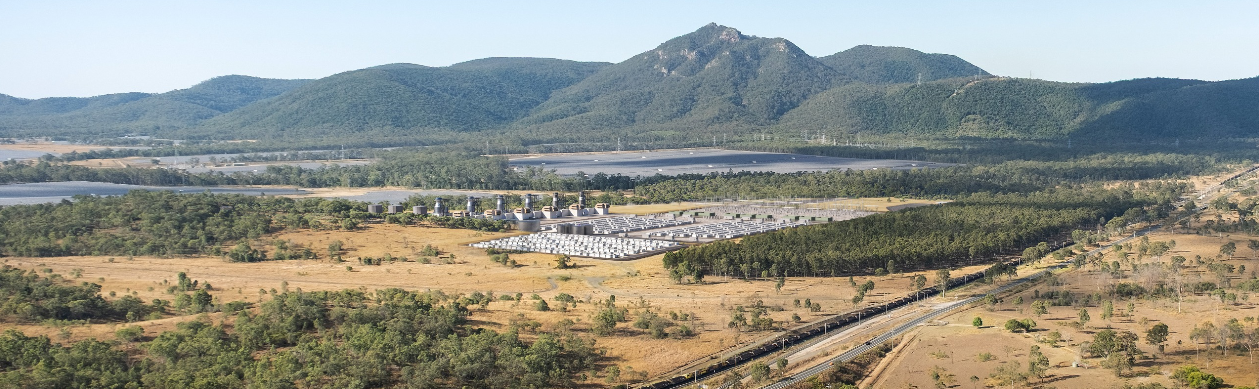
The Gladstone State Development Area (SDA) Energy Hub is a proposed multi-technology energy project being developed by Private Energy Partners within the Gladstone SDA.
The project combines open-cycle gas turbines with long-duration battery energy storage to deliver firm, dispatchable power that supports grid reliability and existing and emerging industry in the Gladstone region.
Gas generation
1,080MW
via open-cycle gas turbines
Battery storage
780MW
with 8-hour duration
Project timeline
2025
MoU and exclusivity: Signed in late 2025 between Stanwell and Quinbrook.
2026-26
Development, Design and Approvals.
2027
Stage 1 – construction.
2029
Stage 1 scheduled to be operational. Stage 2 – construction.
2031
Stage 2 scheduled to be operational. Stage 3 – construction. Stage 3 scheduled to be operational by 2033.
2025
MoU and exclusivity: Signed in late 2025 between Stanwell and Quinbrook.
2026-26
Development, Design and Approvals.
2027
Stage 1 – construction.
2029
Stage 1 scheduled to be operational. Stage 2 – construction.
2031
Stage 2 scheduled to be operational. Stage 3 – construction. Stage 3 scheduled to be operational by 2033.
COMMUNITY IMPACT

Long-term local jobs and contracting opportunities during construction and operations.

Improved power system reliability for Central Queensland.

Dispatchable energy to support existing Gladstone industry.
LOCATION
SITE SPECIFIC INFORMATION
-
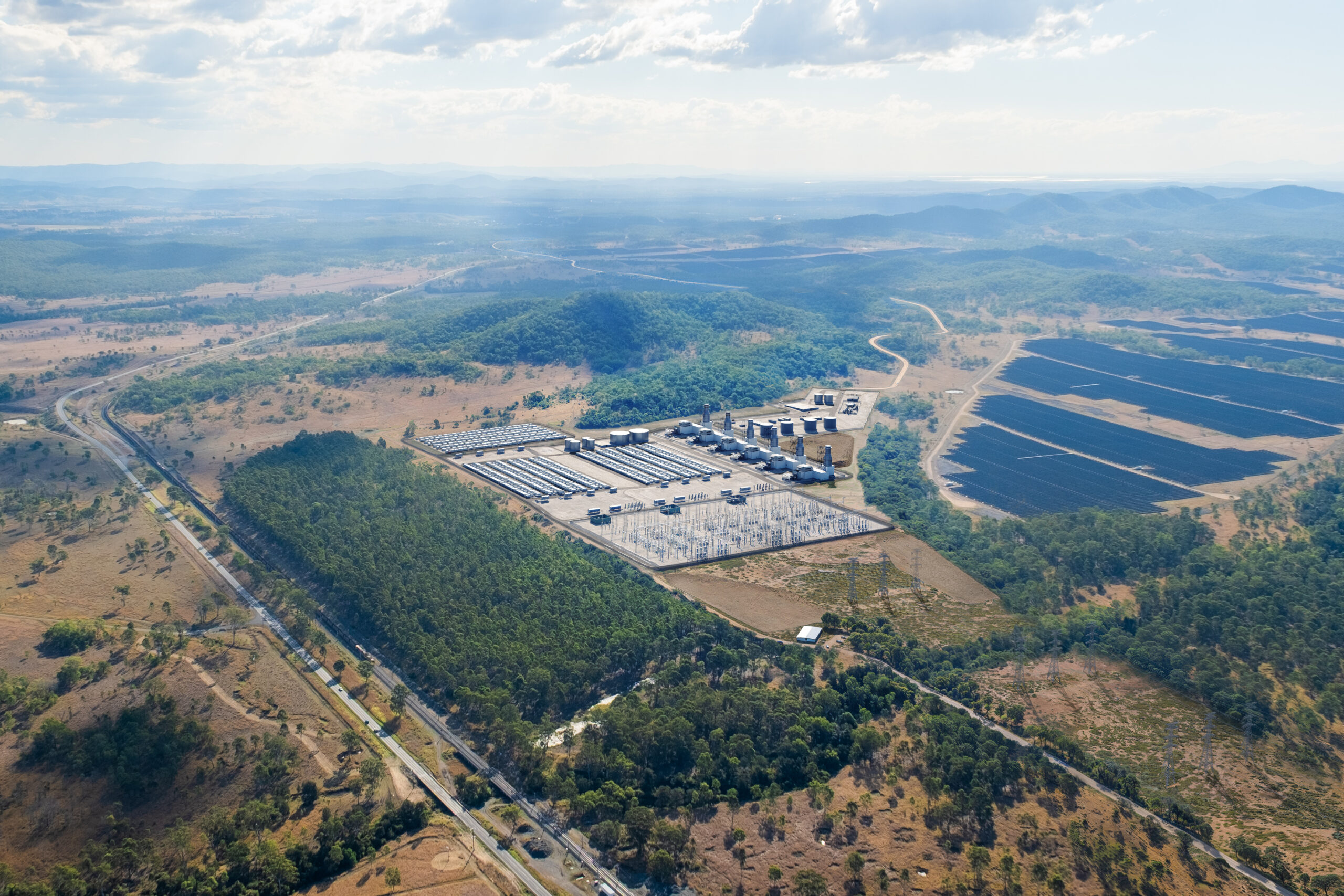
The open-cycle gas turbines would support the Gladstone region by delivering reliable gas-generated power to homes, businesses and local industry. This type of generation is a highly responsive, efficient and flexible energy solution, capable of being activated and deactivated quickly to meet changing power network demands. Gas turbines can also operate for multiple days to support demand during periods of low power supply to the network. We plan to build the Gas Turbines in stages of 2 turbines each.
-
We plan to build the BESS in three stages and at full capacity it would be able to store about 780 MW for eight hours. This energy can be released back into the grid during times of low supply or high demand, helping reduce electricity waste and maintain a more efficient, secure and reliable energy system. The BESS would use industry standard grid-scale Lithium Iron Phosphate (LFP) batteries, one of the safest options for large-scale energy storage. LFP batteries safely operate across a wider temperature range and store more energy per unit than other batteries. This makes them ideal for safely storing large amounts of electricity for quick release when the network needs it.
PHOTOS
Concept only – not final design