Mallard Pass
Region
UK/Ireland
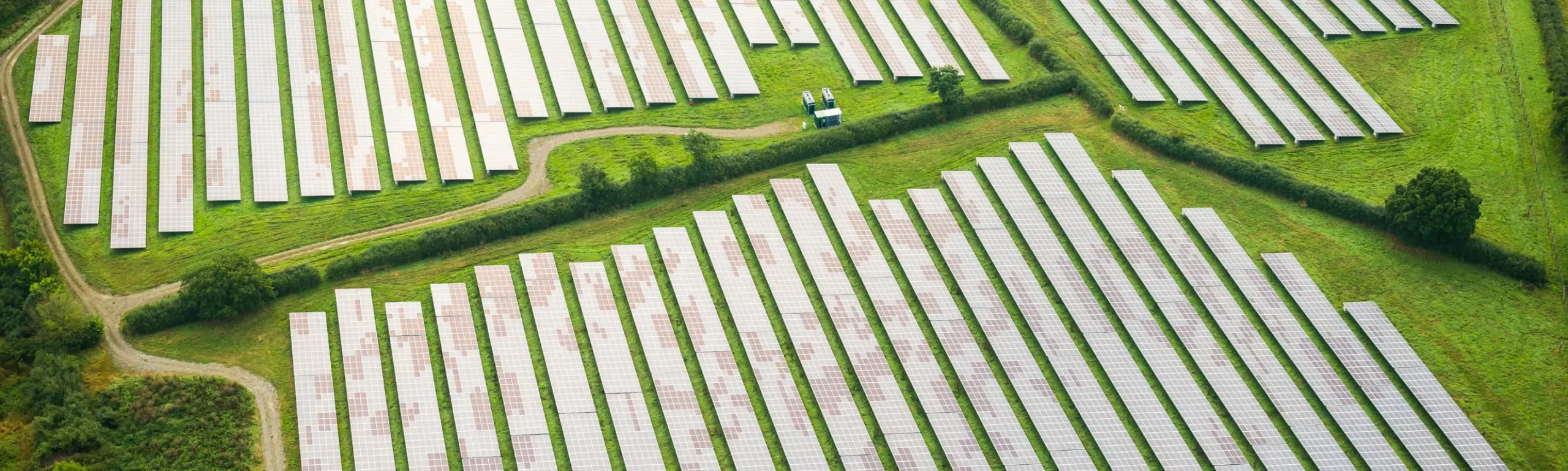
Mallard Pass Solar Farm is a 240 MW solar energy project located near Essendine, straddling the border of South Kesteven in Lincolnshire and Rutland County, England.
Acquired by Quinbrook in February 2025, Mallard Pass marks Quinbrook’s second nationally significant infrastructure project in the UK, following Cleve Hill Solar Farm in Kent.
The solar farm will generate enough renewable electricity to power approximately 92,000 UK homes each year, equivalent to the combined domestic consumption of Rutland and South Kesteven. The project is set across 880 hectares of land on either side of the East Coast Main Line and will connect to the national electricity grid at the Ryhall substation.
240MW
solar energy project
Expected to power
92000
UK homes each year
Spans
880hectares
of land
Project timeline
2024
Mallard Pass Solar Farm received development consent from the Secretary of State for Energy Security and Net Zero on 12th July.
2026
Construction is scheduled to begin.
2028
Operations expected to commence.
2024
Mallard Pass Solar Farm received development consent from the Secretary of State for Energy Security and Net Zero on 12th July.
2026
Construction is scheduled to begin.
2028
Operations expected to commence.
LOCATION
The project is located approximately 4km northeast of Stamford in Lincolnshire, England.
SITE SPECIFIC INFORMATION
-
Mallard Pass Solar Farm is designed to deliver substantial benefits for both the local community and the environment. Over its operational life, the project is expected to contribute more than £124 million to the local economy and create over 2,000 direct and indirect jobs during construction and operation.
-
A central focus of the project is environmental enhancement, with a commitment to achieving a 72% biodiversity net gain through habitat restoration, new hedgerow planting, and the creation of green spaces that improve local habitats and promote wildlife connectivity.
-
Significant portions of the site are dedicated to biodiversity mitigation and landscape enhancements, ensuring that these areas remain free from solar panels and major infrastructure, and are instead used to support nature and community access.